Thinking about buying horse property in Arizona’s White Mountain region? Owning land for horses involves more than simply purchasing rural acreage here in the White Mountains of Arizona. From water availability and fencing to zoning regulations and winter accessibility, the right property must support both your lifestyle and your horses’ health!
We've provided the below guide that outlines the key factors experienced buyers evaluate when searching for equestrian-friendly land in the White Mountains. Nicole Van Den Bosch has the experience and expertise to guide you to the perfect White Mountains AZ horse properties.
Browse listings below or check in with us to find the perfect horse property, ranch, or horse-friendly property here in the White Mountains of AZ. Be sure to contact us for specific horse property requirements!
Introduction:
The Arizona White Mountains offer a unique environment for horse owners. With cool summers, open forest, and miles of riding terrain, the region attracts buyers seeking space for both recreation and ranch living. However, not every rural property is automatically suitable for horses. Pasture conditions, water supply, fencing, and zoning rules can vary significantly from one area to another. Understanding these factors before purchasing can help ensure the property truly supports long-term horse ownership.
Location:
Location is especially important when buying property for horses. In the White Mountain region, buyers often look for land with convenient access to riding trails, national forest access points, and equestrian-friendly communities. Proximity to equine veterinarians, farriers, feed suppliers, and boarding or training facilities can also be important considerations. Properties located near established horse areas often provide easier access to services and riding networks.
Land Quality:
Land conditions play a major role in how well a property supports horses. In many parts of the White Mountains, soil tends to be sandy or rocky, which may limit natural pasture growth. Buyers should evaluate whether the property provides adequate grazing space or if supplemental hay will be required year-round. Conducting a soil test can help determine nutrient levels and whether pasture improvement is possible. Adequate acreage and well-planned turnout areas are important for maintaining both horse health and land sustainability.
Infrastructure:
Horse properties often require specialized infrastructure. Existing barns, shelters, tack rooms, arenas, and round pens should be evaluated for condition, safety, and functionality. Buyers should also consider fencing type and quality, as proper horse fencing is essential for safety. If equestrian facilities are not already in place, it is important to estimate the cost of building barns, installing fencing, creating riding areas, and providing hay storage and manure management.
Zoning Laws and Regulations:
Zoning and land-use regulations can influence how horses may be kept on a property. Some areas specify how many horses are permitted per acre or impose requirements related to setbacks, structures, or animal density. In addition, properties within subdivisions may be subject to covenants or deed restrictions that affect fencing, barns, or livestock. Reviewing county zoning regulations and any recorded covenants is an important step before purchasing.
Water Availability:
A reliable water supply is one of the most critical considerations for horse property. Horses require substantial daily water, particularly during the warmer months. Buyers should verify the capacity of wells, water delivery systems, or other sources and confirm that water access is sufficient for both household and livestock needs. In rural Arizona, understanding well depth, production rates, and water rights can be especially important.
Financial Considerations:
Owning horses adds ongoing expenses beyond the typical costs of rural property ownership. Feed, veterinary care, farrier services, fencing maintenance, and facility upkeep should all be considered when evaluating the overall cost of a horse property. In the White Mountains, seasonal factors such as winter hay storage and snow removal may also affect operational costs. Planning for these expenses can help buyers make informed long-term decisions.
Working With a Local Real Estate Professional:
Horse properties often require a more detailed evaluation than typical residential listings. Real estate professionals such as Nicole Van Den Bosch, familiar with rural land and equestrian properties in the White Mountain region can help identify properties that truly meet the needs of horse owners. Local experience can also help buyers navigate zoning rules, water considerations, and infrastructure issues that may not be immediately visible when viewing a property.
Conclusion:
Purchasing horse property in Arizona’s White Mountains offers the opportunity for a rewarding rural lifestyle, but it also requires careful evaluation of land, water, infrastructure, and regulations. By understanding these factors and conducting proper due diligence, buyers can select a property that supports both their long-term goals and the well-being of their horses.
White Mountains AZ Horse Property Listings for Sale
White Mountains AZ Horse Property Listings for Sale


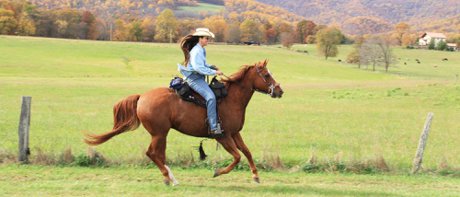 Thinking about buying horse property in Arizona’s White Mountain region? Owning land for horses involves more than simply purchasing rural acreage here in the White Mountains of Arizona. From water availability and fencing to zoning regulations and winter accessibility, the right property must support both your lifestyle and your horses’ health!


