


Living in Arizona’s White Mountains: Fire Preparedness & What Buyers Should Know
The White Mountains are one of Arizona’s most beautiful regions—cooler temperatures, tall pines, open skies, and space to breathe. It’s exactly why so many people choose to make their home here.
But with that beauty comes a natural reality: we live in a fire-adapted landscape. Wildfire is not a constant threat—but it is a seasonal and environmental factor that homeowners need to understand. If you’re considering purchasing property in the White Mountains, here’s what you should know going in.
Fire Season: What to Expect
In our area, fire season typically ramps up in late spring and early summer, before monsoon moisture arrives. Conditions that increase fire risk include:
- Dry winters with low snowpack
- High winds
- Dense forest fuels (pine needles, brush, undergrowth)
- Periods of low humidity
Local, state, and federal agencies actively manage forest health and respond quickly to fires—but conditions can change quickly, and preparedness matters.
Fire-Wise Living: It’s About Mitigation, Not Fear
Living here doesn’t mean living in danger—it means living intentionally.
Many neighborhoods and homeowners follow principles from programs like Firewise USA, which focus on reducing risk through smart property management.
Key concepts include:
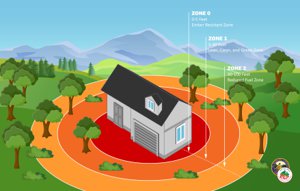
- Defensible Space: Clearing vegetation and flammable material around your home
- Home Hardening: Using fire-resistant materials for roofing, siding, and vents
- Access Awareness: Ensuring driveways and roads allow emergency vehicle access
These are not extreme measures—they’re practical, widely adopted, and often expected by insurers.
Insurance: What Has Changed (And Why It Matters Early)
This is one of the most important—and often surprising—parts of buying in a forested area.
In recent years, many insurance carriers have:
- Tightened underwriting in wildfire-prone areas Reduced or eliminated coverage in certain zip codes
- Increased inspection requirements
- Required proof of mitigation (defensible space, roof condition, etc.)
Companies like State Farm and Allstate—along with others—have adjusted how and where they write new policies, especially in high-risk regions across the West.
What this means for buyers:
You should begin exploring insurance options early in the contract period, not at the last minute.
Why Insurance Should Be Addressed During the Inspection Period
We strongly recommend that buyers:
- Contact insurance providers as soon as a property goes under contract
- Verify that the property is insurable at acceptable rates
- Understand any requirements for coverage (tree clearance, repairs, etc.)
- Be prepared for a property inspection by the insurer
Insurance availability is no longer something to assume—it’s something to confirm.
What Sellers Are Experiencing
Many current homeowners have already adapted by:
- Thinning trees and clearing brush
- Limbing up trees away from structures
- Removing debris from roofs and gutters
- Installing metal or Class A fire-rated roofing
These efforts not only improve safety—they often help maintain insurability.
A Balanced Perspective
It’s important to keep this in context:
People live safely and happily in the White Mountains every day. Fires are managed aggressively, communities are informed, and preparedness goes a long way. Understanding wildfire risk doesn’t take away from the experience of living here—it simply means you’re stepping into it well-informed and prepared.
Final Thought
If you’re buying in the White Mountains, wildfire awareness is part of responsible homeownership—just like understanding wells, septic systems, or winter access.
It’s not something to fear.
It’s something to plan for.